When Image Meets Echo: The New Creative Alliance Between VFX and Sound Design
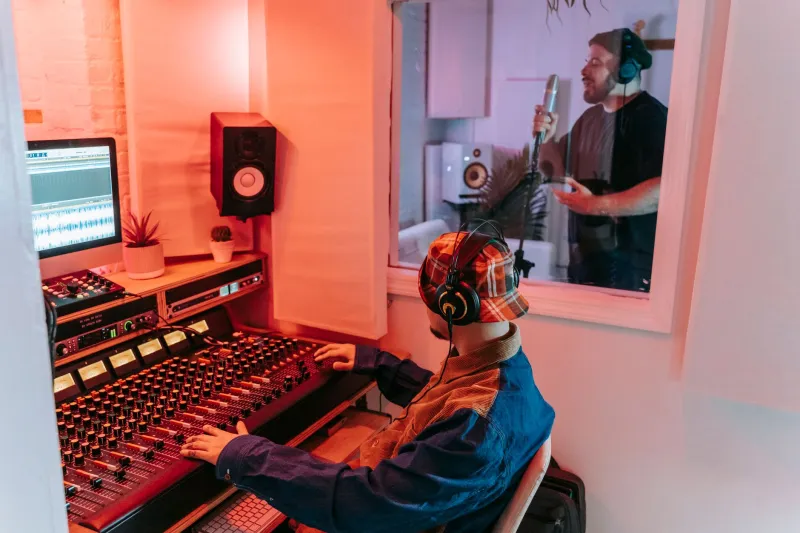
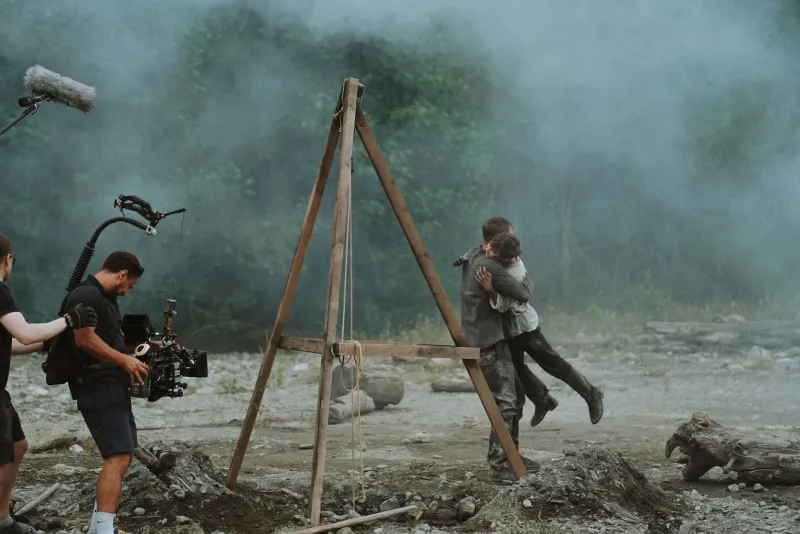
There is a particular kind of disappointment that sophisticated filmgoers rarely articulate but nearly always feel: the moment when a visually extraordinary sequence is accompanied by audio that simply does not belong to it. The creature moves with weight and menace, but its footfall sounds borrowed from a library. The spacecraft tears through a debris field with photorealistic precision, yet the accompanying roar feels assembled rather than conceived. The image convinces; the sound politely disagrees.
For decades, this tension was an accepted cost of production. Visual effects and sound design operated on largely separate tracks — both departments talented, both working toward the same finished film, but rarely working together in any meaningful sense until late in the post-production calendar. The consequences were subtle but cumulative. Audiences may not have identified the disconnect consciously, but they felt it. Immersion, that fragile and essential quality that separates a memorable cinematic experience from a merely impressive one, has always depended on both senses receiving information that agrees with each other.
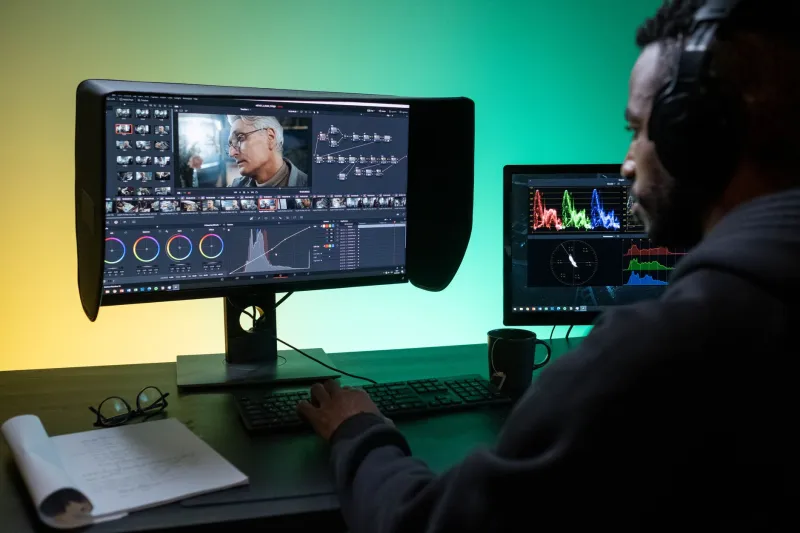
The good news is that this is changing. Across major American studios and independent production houses alike, a quiet but significant cultural shift is underway — one that is placing VFX supervisors and sound designers in the same room, around the same table, far earlier in the production process than has historically been the norm.
The Legacy of the Silo
To understand why this collaboration took so long to become standard practice, it helps to appreciate how studio pipelines evolved. Visual effects, particularly in the era following the digital revolution of the 1990s, grew into an extraordinarily complex and resource-intensive discipline. The sheer computational and creative demands of building photoreal environments, creatures, and characters required dedicated teams, specialized software, and timelines that stretched across years. Sound design, meanwhile, developed its own parallel sophistication — with Foley artists, re-recording mixers, and composers each contributing layers to a final audio landscape.
Both worlds were ambitious. Both were evolving rapidly. But the logistics of large-scale production meant that sound designers were frequently handed finished or near-finished VFX sequences and tasked with building audio to match imagery they had no hand in shaping. The result was occasionally brilliant — talented sound designers are remarkably adept at reverse-engineering audio logic from visual information — but it was also inherently reactive rather than generative.
The problem was not a lack of talent on either side. It was a structural one.
Building Sound Into the Visual Blueprint
What distinguishes the emerging approach is the point of entry. Rather than treating sound as a response to completed visuals, forward-thinking productions are now inviting sound designers into conversations that happen during previsualization — sometimes even earlier, during concept development.
This matters enormously. When a sound designer is present as a VFX supervisor and director work through the logic of a digital creature, they can begin contributing to decisions that will shape both the visual and auditory identity of that creature simultaneously. Questions about scale, texture, movement, and environmental context — which VFX teams have always grappled with — turn out to have direct acoustic implications. A creature whose footfall will produce a subsonic, ground-conducted rumble needs to move in a way that is consistent with that kind of mass. If the animation and the audio are conceived together, they reinforce each other in ways that no amount of post-production finessing can fully replicate.
Several prominent American productions in recent years have made this integrated approach a formal part of their workflow, with results that have drawn attention from both critics and audiences. The specifics are often proprietary, but the pattern is consistent: sequences that feel genuinely immersive tend to have histories in which visual and audio teams shared early creative conversations.
The Counterintuitive Power of Silence
One of the more fascinating outcomes of this cross-disciplinary dialogue is a renewed appreciation for the dramatic function of silence — particularly in contexts where audiences have been conditioned to expect overwhelming sound.
Space sequences offer the clearest example. Scientifically, the vacuum of space transmits no sound. Cinematically, audiences have been trained by decades of convention to expect exactly the opposite — thunderous explosions, roaring engines, the percussive violence of debris impacts. When a VFX team and a sound designer collaborate from the outset, they can make a deliberate, unified decision about how to handle this tension. The silence, when it is chosen, becomes a creative statement rather than an absence. It arrives at precisely the moment the visuals demand it, and its effect is frequently more visceral than any conventional sound design choice would have been.
This kind of intentional quiet requires a level of trust between disciplines that historically did not exist. A sound designer who recommends silence for a climactic sequence needs to know that the VFX team has built imagery capable of carrying that weight without audio reinforcement. Conversely, VFX artists working on such a sequence benefit from knowing early that the audio strategy will lean on restraint — it changes compositional decisions, pacing, the handling of light and motion.
Practical Mechanics of the New Collaboration
The structural changes enabling this shift are worth examining. At the studio level, several American productions have begun scheduling formal joint reviews — sessions in which VFX supervisors, sound designers, and directors examine work-in-progress material together rather than in separate departmental screenings. The shared viewing experience generates conversation that would otherwise never happen, surfacing assumptions that each discipline had been making about the other's intentions.
Technology is also playing a role. Spatial audio tools and real-time rendering environments increasingly allow sound designers to audition audio against VFX work at stages of completion that were previously too rough for meaningful audio evaluation. The feedback loop tightens; adjustments happen earlier, when they are less expensive and more creatively fluid.
Perhaps most significantly, there is a growing body of shared vocabulary developing between the two disciplines. VFX supervisors are becoming more conversant in the language of frequency and dynamics; sound designers are developing a more sophisticated understanding of how digital environments are constructed and what physical logic governs them. The conversation is becoming more fluent on both sides.
What This Means for the Audience
For viewers, the practical effect of this convergence is difficult to attribute but unmistakable in experience. Sequences feel earned in a way that technically proficient but siloed work rarely does. The world on screen has a coherence — a sense that its rules apply consistently across every sensory channel — that registers not as a specific achievement but as a general, encompassing believability.
Immersion, after all, is not a visual phenomenon or an auditory one. It is the product of both senses receiving information that agrees. When the teams responsible for each of those sensory channels have been in genuine dialogue from the beginning, the agreement feels natural rather than negotiated.
At BranitVFX, we have long understood that the most powerful work happens at the intersections — where disciplines meet, challenge each other's assumptions, and produce something neither could have achieved alone. The growing alliance between VFX and sound design represents exactly that kind of intersection, and the work emerging from it is, quietly, some of the most immersive filmmaking American studios have ever produced.